Before It Bubbles Over: How to Bake Cleaner Without Losing Your Mind
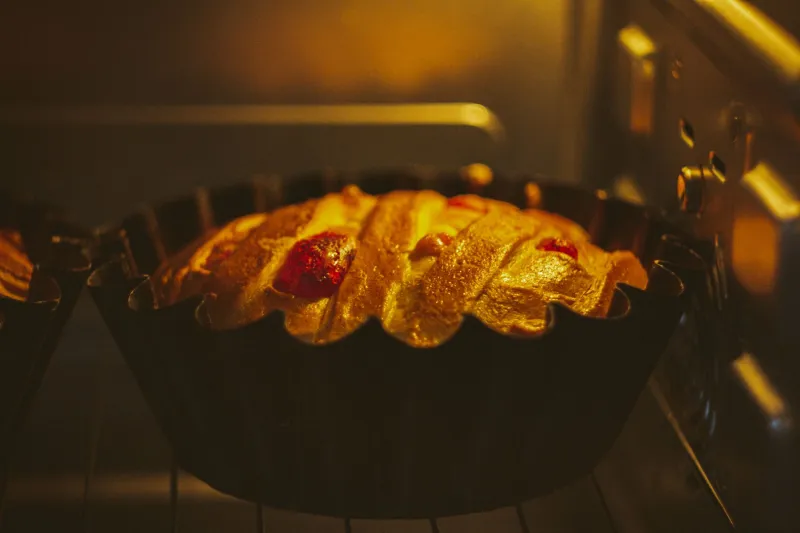
The Oven Disaster Nobody Talks About
You set the timer, walk away to fold laundry, and then it hits you—that unmistakable smell of something scorching on the oven floor. You open the door to find your beautiful fruit pie has erupted like a tiny volcano, its filling bubbling down the sides of the dish and turning into a smoking black crust on the rack below.
It happens to everyone. Seriously, everyone. But here's the thing: most of these disasters are totally preventable with a handful of techniques that don't require any fancy gear or a second oven. Let's talk about how to actually bake cleaner—not by being a perfectionist, but by being a little strategic.
Your New Best Friend: The Sheet Pan
If you take nothing else from this article, take this: put a rimmed sheet pan on the rack below whatever you're baking. Every single time.
A half-sheet pan (the standard 18x13-inch kind you probably already own) acts as a catch-all for anything that decides to escape its dish. Pie filling, cake batter overflow, fruit crisps that get a little too enthusiastic—all of it lands on the pan instead of the oven floor. Cleanup goes from a 30-minute scrubbing session to a quick soak in the sink.
Line that sheet pan with foil and cleanup gets even easier. Just wait for it to cool, peel off the foil, and toss it. Done. Your oven stays cleaner, your sanity stays intact, and you didn't have to do anything complicated.
Why Fillings Boil Over (And How to Slow Them Down)
Fruit pies and cobblers are the biggest culprits when it comes to oven overflow, and there's a science-y reason for it. As fruit heats up, it releases liquid. That liquid combines with sugar and thickener, and if there's too much of it or the thickener hasn't had time to do its job, the whole thing turns into a bubbling mess that climbs right over the edge of your dish.
A few things help here:
Don't skip the thickener. Cornstarch, tapioca starch, and flour all help gel up those fruit juices so they stay where they belong. If your recipe calls for two tablespoons, don't eyeball it—measure it.
Give it room. If your pie dish looks dangerously full before it goes in the oven, it's going to overflow. Use a deeper dish, or hold back a little filling. Better a slightly less-packed pie than a smoky kitchen.
Cut vents in your top crust. This isn't just decorative. Vents let steam escape instead of building up pressure underneath the crust and forcing liquid out the sides.
Bake at the right temperature. A pie that starts too hot can boil before the filling has thickened. Many recipes call for starting at a higher temp to set the crust, then dropping the heat—follow those instructions rather than cranking it up to speed things along.
Cake Batter on the Oven Floor? Let's Fix That
Overfilling cake pans is one of the most common beginner mistakes, and honestly, it's an easy one to make. The batter looks like it'll fit, you pour it all in, and then it rises right over the edge during baking.
The general rule: fill cake pans no more than two-thirds full. If you have leftover batter, make a couple of cupcakes on the side—never a bad outcome.
Also worth checking: is your baking powder still active? Old leavening can cause uneven, unpredictable rises. Drop a teaspoon into hot water—if it bubbles vigorously, you're good. If it just kind of sits there, it's time for a new can.
For springform pans (the kind you use for cheesecakes), always wrap the outside in a layer of heavy-duty foil. Springforms are notorious for leaking, especially when you're doing a water bath. The foil creates a seal that keeps water out and keeps your batter in.
Roasting Pans and the Splatter Problem
Baking isn't just sweet stuff—roasted vegetables, sheet pan dinners, and casseroles all come with their own mess potential. Fat splatter is the main issue here, and it builds up fast on oven walls and the broiler element.
A few things that help:
- Use a rack inside your roasting pan. Lifting meat off the bottom of the pan means it's not sitting in its own drippings, which reduces the chance of those drippings burning and smoking.
- Add a little liquid to the bottom of the pan. A splash of water, broth, or even wine keeps drippings from scorching before your food is done.
- Cover with foil for part of the cook time. Especially useful for casseroles and baked pasta dishes that bubble around the edges. Tent the foil loosely so it doesn't stick to the top, then remove it for the last stretch to let things brown.
When Cleanup Is Just Part of the Deal
Okay, real talk: some things are going to make a mess no matter what you do. Caramel drips. Jam bubbles. Cheese melts over the edge of the gratin dish. That's just baking.
The trick is not letting a small mess turn into a big one by ignoring it. Wipe down oven walls and the oven floor (once it's cool) after anything particularly messy. A quick pass with a damp cloth after every few uses keeps buildup from becoming a full self-clean situation.
Keep a roll of heavy-duty foil and a stack of sheet pans within easy reach. These two things alone will handle about 80 percent of the mess-prevention work for you.
And if something does boil over spectacularly? Sprinkle salt on the spill while the oven is still warm—it absorbs the liquid and makes it much easier to sweep out once everything cools down. Old trick, still works.
The Mindset Shift That Makes It All Easier
Perfect kitchens exist in magazines. Real kitchens have sticky counters, flour on the floor, and the occasional pie disaster. The goal isn't to bake without any mess—it's to bake with messes that are manageable.
A sheet pan under your dish. Foil when things get risky. A little less batter in the pan. These aren't complicated techniques. They're just small habits that stack up into a kitchen that stays a lot more functional, a lot more often.
Bake the thing. Enjoy the result. Deal with the cleanup without dreading it. That's the whole game.